

Triumphantly Using AI
This has not been written using AI.
This may well have been better written by AI.
And the only reason we're persisting in not using AI is that this is about AI.
AI can't be its own prosecution and defence, its own judge and jury,
But, more importantly, this is also about reality, past and present.
So, when we look at a grainy, blurry, black and white photograph of, say, William Frost and his wife, Annie, are we seeing reality?
Of course not. The world was not black and white and grainy, and they were not 6 centimetres tall, but we have a belief that a black and white photograph is somehow authentic, the past made real.
Yet, inevitably, what the photograph captures is a representation of reality, not reality itself.
As a representation, we are very appreciative of it because it enables us to better understand what William Frost was really like.
But, just to hammer the point home, it is not the past.
If instead an artist - whether an Impressionist, Surrealist, or Realist - had painted them it would be the same: a representation of reality, not reality.
Then there are words. If you were to hear or see his daughter or grandson describing what William Frost was like, as real as it might seem, it's no more and no less than their representation.
So, now we come to AI.
Is AI any different? No. It too is a representation. No more, no less. It forms a quorum: photographs, paintings, words, AI.
How close they get us to the 'real' William Frost depended on the contemporary photographic technology, on how good the painter was, how accurate the words - and today depend on how good the AI prompt is in words and supplied images.
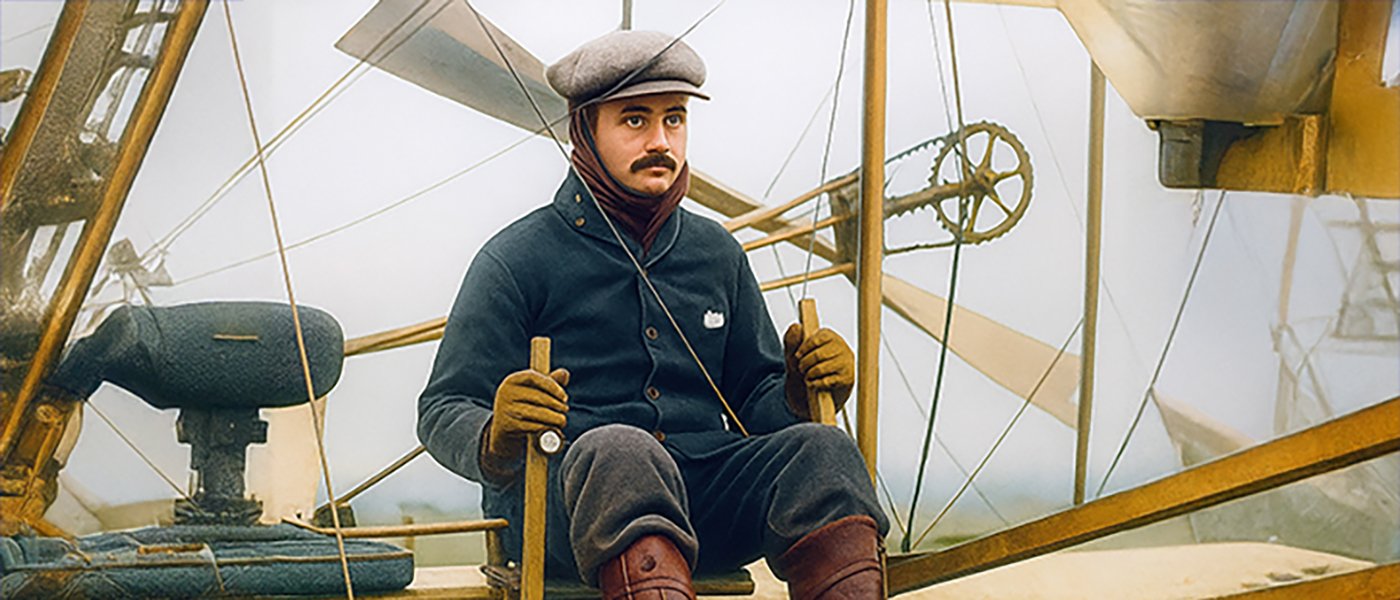
But is the AI image of William and Annie - high resolution, in colour - misleading, a fake even?
Of course not - or not any more than a black and white photograph. Less so in fact as the world is actually coloured, not black and white.
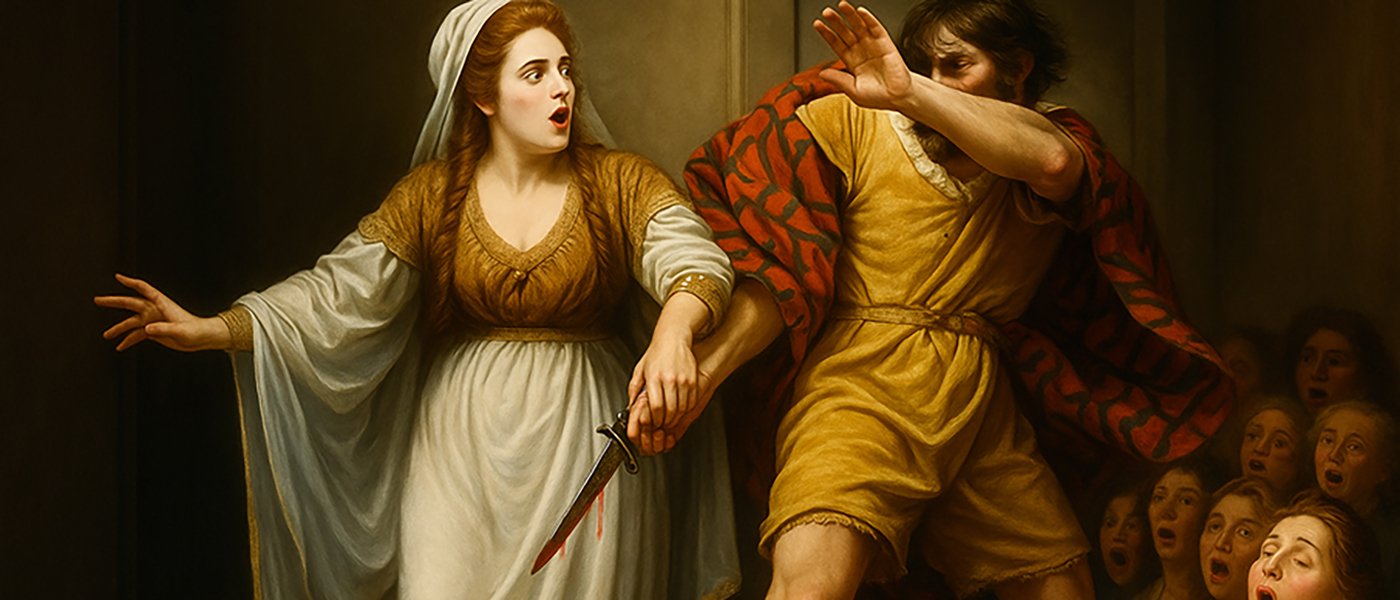
Is it misleading that AI can generate scenes and events that look like they are photographs of what actually happened?
Not any more than a verbal description or painting of an event captures the reality. They are all representations generated by the generator. Equally valid - and, if you like, equally invalid.
In essence, though, this is not an epistemological argument.
It's not about reality. It's actually about understanding. For us, it's not about studying the past as a sacred relic. It's about better understanding the past as represented now.
Historians are dedicated to uncovering the past as Truth, as documented fact, but they've been known to lose sight of the wood because of their meticulous focus on the bark of one tree.
By contrast, we're 'woodland historians', not the bark type. We're interested in the preservation of the wood, but above all we're here to ensure the paths through the wood are wide and open, so as many people as want to can explore, appreciate and enjoy it.
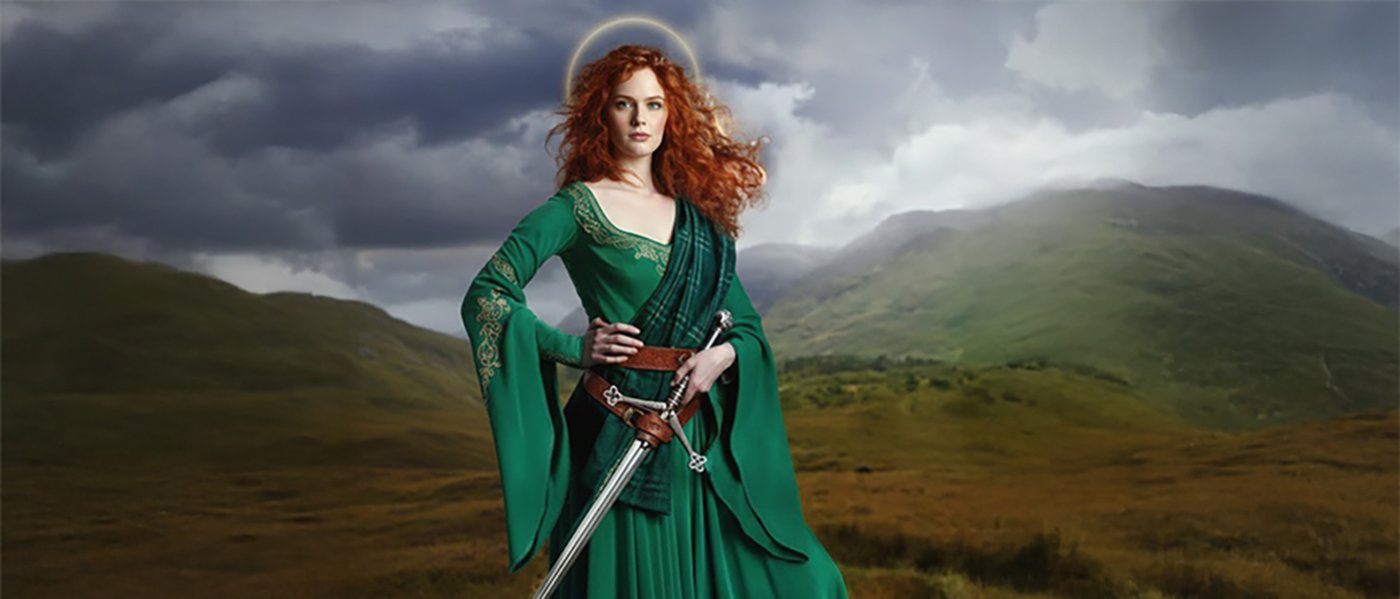
And AI does undoubtedly provide a wide and clear path through the wood that is our past. Generously. Speedily. Brilliantly. Not least because an AI picture can save 10,000 words, and sometimes it can really cut through to the truth - or, at least, our representation of the truth.
Yes, the faces are never quite the same, and the backgrounds can be a little 'surreal', but AI is at the equivalent stage photography was in the 1820s.
The simple truth is this: without AI the appeal of Wales Triumphant would be 'niche': a fusty, dusty collection of grainy images appealing only, probably, to a few hundred people who already love history, and/or love Wales, but we're not interested in preaching to the converted.
AI has transformed the potential reach and impact of Wales Triumphant enabling us to attract and engage the young and old, the less and well educated, the rich and poor (because it's free), those who love Wales but are not so keen on history books, those who don't like or don't know Wales, those who like adventurers and pirates and inventors and entrepreneurs.
So, AI has enabled us to open up a world of Wales that has largely been of little interest to the many, and for that we should be very grateful - and never mind the epistemology and historiography.